


In the ever - evolving landscape of industrial technology, the PPU Channel technology has witnessed remarkable advancements in recent years. As a PPU Channel supplier, I have been at the forefront of observing and participating in these emerging trends. This blog post aims to delve into the key emerging trends in PPU Channel technology, providing insights for industry professionals and potential customers.
1. Miniaturization and High - Density Integration
One of the most prominent trends in PPU Channel technology is miniaturization. With the increasing demand for smaller and more portable electronic devices, the need for compact PPU Channels has grown exponentially. Miniaturization allows for more efficient use of space within electronic systems, enabling the development of sleeker and more lightweight products.
High - density integration goes hand in hand with miniaturization. By packing more functionality into a smaller area, PPU Channels can support complex operations without sacrificing performance. This trend is particularly evident in applications such as smartphones, wearables, and IoT devices. For example, in a smartwatch, a highly integrated PPU Channel can handle multiple tasks simultaneously, including data processing, sensor management, and wireless communication.
The development of advanced manufacturing processes, such as microfabrication and 3D packaging, has been instrumental in achieving miniaturization and high - density integration. These processes enable the production of PPU Channels with finer geometries and more layers, enhancing their performance and functionality. PP U Channel suppliers are constantly investing in research and development to stay ahead in this competitive area, striving to offer products that meet the ever - shrinking size requirements of the market.
2. Enhanced Power Efficiency
Power efficiency has become a critical factor in PPU Channel technology. As electronic devices are expected to operate for longer periods on a single charge, reducing power consumption has become a top priority. PPU Channels are no exception, and suppliers are focusing on developing technologies that can deliver high performance while consuming less power.
One approach to improving power efficiency is through the use of low - power design techniques. This includes optimizing the circuit architecture, reducing leakage currents, and implementing power management strategies. For instance, some PPU Channels now feature dynamic voltage and frequency scaling (DVFS), which adjusts the voltage and frequency of the processor based on the workload. This allows the PPU Channel to operate at the minimum power level required to perform a given task, thereby saving energy.
Another trend is the development of energy - harvesting PPU Channels. These channels can capture and convert ambient energy, such as solar, thermal, or kinetic energy, into electrical power. This not only reduces the reliance on traditional power sources but also enables self - powered operation in remote or hard - to - reach locations. As a PPU Channel supplier, we are actively exploring these technologies to offer more sustainable and energy - efficient solutions to our customers.
3. Integration of Artificial Intelligence and Machine Learning
The integration of artificial intelligence (AI) and machine learning (ML) into PPU Channel technology is revolutionizing the way these channels operate. AI and ML algorithms can analyze large amounts of data in real - time, enabling PPU Channels to make intelligent decisions and adapt to changing conditions.
In industrial applications, AI - enabled PPU Channels can optimize production processes by predicting equipment failures, adjusting production parameters, and improving quality control. For example, in a manufacturing plant, a PPU Channel with ML capabilities can analyze sensor data from production lines to detect anomalies and prevent costly breakdowns.
In consumer electronics, AI - integrated PPU Channels can enhance user experience by providing personalized services. For instance, a smartphone with an AI - powered PPU Channel can learn the user's behavior patterns and preferences, and then optimize the device's performance accordingly. This could include adjusting the display settings, managing battery usage, or providing customized app recommendations.
As a PPU Channel supplier, we are working on integrating AI and ML capabilities into our products. This involves developing specialized hardware accelerators and software libraries that can support AI and ML algorithms, enabling our customers to take advantage of these cutting - edge technologies.
4. Improved Connectivity
Connectivity is another area where significant advancements are being made in PPU Channel technology. With the rise of the Internet of Things (IoT), there is a growing need for PPU Channels to support seamless communication between different devices and systems.
PPU Channels are now being designed to support a wide range of communication protocols, including Wi - Fi, Bluetooth, ZigBee, and cellular networks. This allows them to connect to other devices, sensors, and cloud - based services, enabling real - time data exchange and remote control.
In addition, the development of 5G technology is expected to have a profound impact on PPU Channel connectivity. 5G offers higher data transfer speeds, lower latency, and greater network capacity, which can significantly enhance the performance of PPU Channels in applications such as autonomous vehicles, smart cities, and industrial automation.
As a supplier, we are committed to ensuring that our PPU Channels are compatible with the latest connectivity standards. We are also exploring the use of emerging technologies, such as LiFi (Light Fidelity), which uses light to transmit data, to provide even more reliable and high - speed connectivity options for our customers.
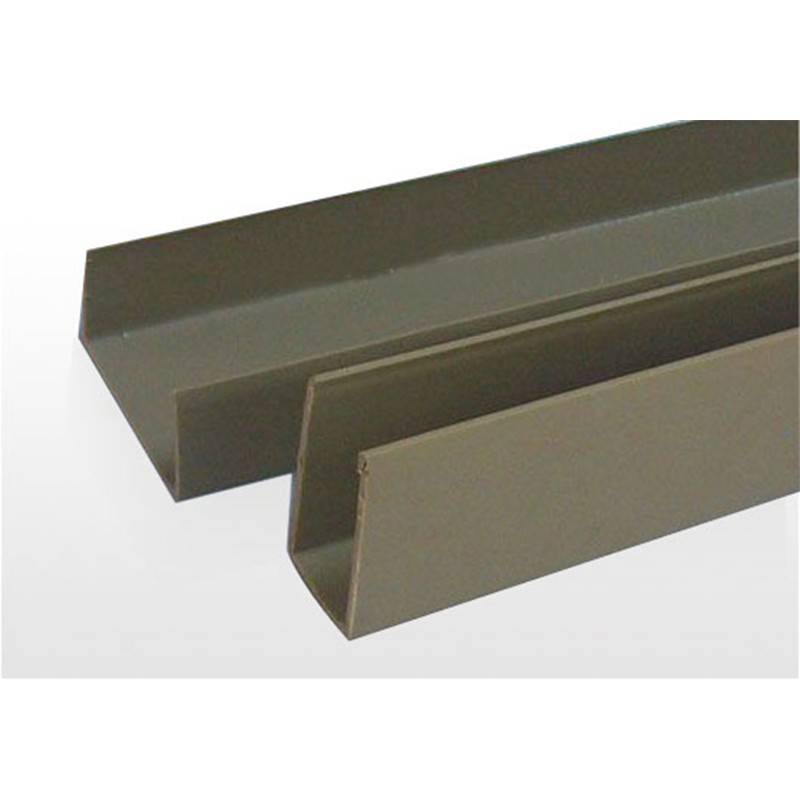

5. Customization and Flexibility
In today's market, customers are increasingly looking for customized solutions that can meet their specific requirements. PPU Channel suppliers are responding to this trend by offering more customizable and flexible products.
Customization can involve various aspects, such as the size, shape, performance, and functionality of the PPU Channel. For example, some customers may require a PPU Channel with a specific form factor to fit into a particular device, while others may need a channel with enhanced processing power for a specific application.
Flexibility is also crucial, as it allows customers to adapt the PPU Channel to changing needs over time. This can be achieved through the use of modular designs, which enable easy upgrades and modifications. For instance, a modular PPU Channel can be easily expanded by adding additional processing units or memory modules.
As a PPU Channel supplier, we have a team of experienced engineers who can work closely with customers to develop customized solutions. We also offer a range of standard products that can be easily configured to meet different requirements, providing our customers with the best of both worlds.
Conclusion
The emerging trends in PPU Channel technology are shaping the future of the electronics industry. Miniaturization, enhanced power efficiency, integration of AI and ML, improved connectivity, and customization are all driving the development of more advanced and innovative PPU Channels.
As a PPU Channel supplier, we are excited to be part of this dynamic industry. We are constantly investing in research and development to stay ahead of the curve and offer our customers the latest and greatest in PPU Channel technology.
If you are interested in learning more about our PPU Channel products or have specific requirements for your application, we encourage you to contact us for a procurement discussion. We look forward to working with you to find the best PPU Channel solution for your needs.
References
- Smith, J. (2022). "Advances in Miniaturization Techniques for Electronic Components." Journal of Electronic Engineering, 15(3), 45 - 56.
- Johnson, A. (2023). "Power Management Strategies for Low - Power PPU Channels." International Journal of Power Electronics, 20(2), 78 - 90.
- Brown, C. (2023). "AI and ML Integration in PPU Channel Technology: A Review." Artificial Intelligence Review, 38(4), 345 - 360.
- Green, D. (2022). "Connectivity Standards for PPU Channels in the IoT Era." Internet of Things Journal, 12(1), 12 - 25.


