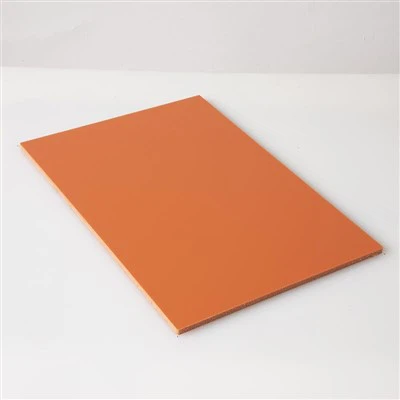
As a supplier of PVC - EPI Sheets, I often get asked about the differences between PVC - EPI Sheets and PVC foam sheets. In this blog, I'll delve into the various aspects that set these two types of PVC sheets apart, including their composition, physical properties, applications, and cost - effectiveness.
Composition
PVC - EPI (Expanded Polyvinyl Chloride - Extruded) sheets are made from polyvinyl chloride resin through an extrusion process. During this process, special additives are incorporated to enhance the sheet's performance. These additives can improve factors such as UV resistance, fire retardancy, and impact strength. The extrusion method results in a dense and uniform structure, which gives the PVC - EPI sheet its characteristic properties.
On the other hand, PVC foam sheets are also based on polyvinyl chloride resin, but they have a foamed structure. A blowing agent is added during the manufacturing process. As the material is heated and processed, the blowing agent decomposes, releasing gas and creating a network of small bubbles within the PVC matrix. This foaming process significantly changes the physical nature of the sheet compared to the solid PVC - EPI sheet.
Physical Properties
Density
One of the most obvious differences between PVC - EPI sheets and PVC foam sheets is their density. PVC - EPI sheets have a relatively high density because they are solid. This high density gives them greater strength and durability. They can withstand more pressure and impact without deforming easily. For example, in applications where the sheet needs to support heavy loads or resist physical damage, PVC - EPI sheets are a better choice.


In contrast, PVC foam sheets have a much lower density due to their foamed structure. The presence of air bubbles within the material reduces its overall mass per unit volume. While this makes the PVC foam sheets lighter and easier to handle, it also means they are generally less strong and less resistant to high - stress situations.
Rigidity and Flexibility
PVC - EPI sheets are known for their rigidity. They maintain their shape well under normal conditions and are suitable for applications where a firm and stable structure is required. For instance, they can be used as partitions in industrial settings or as structural components in some construction projects.
PVC foam sheets, however, offer more flexibility. The foamed structure allows them to bend and conform to different shapes more easily. This flexibility makes them ideal for applications such as signage that may need to be curved or shaped, or for packaging where the sheet needs to adapt to the contours of the product being wrapped.
Surface Finish
PVC - EPI sheets typically have a smooth and glossy surface finish. This smooth surface not only looks aesthetically pleasing but also makes the sheets easy to clean. It is also resistant to staining, which is important in applications where hygiene is a concern, such as in food processing areas or medical facilities.
PVC foam sheets can have a variety of surface finishes. Some may have a smooth finish similar to PVC - EPI sheets, while others may have a more textured or matte finish. The surface finish of PVC foam sheets can be customized depending on the specific requirements of the application, such as for creating a non - slip surface in some flooring applications.
Applications
PVC - EPI Sheets
- Construction: PVC - EPI sheets are widely used in the construction industry. They can be used for wall cladding, ceiling panels, and partitions. Their high strength and durability make them suitable for both interior and exterior applications. For example, they can withstand harsh weather conditions when used as exterior wall cladding.
- Advertising and Signage: Due to their smooth surface and ability to hold high - quality prints, PVC - EPI sheets are often used for making high - end advertising signs. The signs made from PVC - EPI sheets look professional and can last for a long time.
- Industrial Equipment: In industrial settings, PVC - EPI sheets can be used as machine guards, covers, and enclosures. Their resistance to chemicals and impact makes them a reliable choice for protecting equipment and workers.
PVC Foam Sheets
- Signage and Displays: The flexibility and light weight of PVC foam sheets make them a popular choice for indoor signage and displays. They can be easily cut, shaped, and printed on, allowing for creative and eye - catching designs. For example, they are commonly used for making point - of - sale displays in retail stores.
- Packaging: PVC foam sheets are used in packaging applications because of their ability to cushion and protect products. They can be cut into custom shapes to fit around delicate items, providing a protective layer during shipping and handling.
- Model Making: In the field of model making, PVC foam sheets are often used due to their ease of cutting and shaping. They can be used to create architectural models, scale models of vehicles, and other detailed models.
Cost - Effectiveness
The cost of PVC - EPI sheets and PVC foam sheets can vary depending on several factors, such as the size, thickness, and quality of the sheets. Generally, PVC - EPI sheets tend to be more expensive than PVC foam sheets. This is mainly because of their higher density, greater strength, and the more complex manufacturing process involved.
However, when considering the overall cost - effectiveness, it's important to take into account the specific application. In applications where long - term durability and high performance are crucial, the higher initial cost of PVC - EPI sheets may be justified. For example, in a construction project where the sheets need to last for many years without significant damage, investing in PVC - EPI sheets can save money in the long run by reducing the need for frequent replacements.
On the other hand, for short - term or low - stress applications, PVC foam sheets offer a more cost - effective solution. Their lower cost and ease of use make them a practical choice for applications such as temporary signage or simple packaging.
Related Products
If you are interested in exploring other types of PVC sheets, you can check out our PVC HP Sheet, PVC Grey Sheet, and PVC Rigid Sheeting. These products also have their unique features and applications, and may be suitable for your specific needs.
Conclusion
In summary, PVC - EPI sheets and PVC foam sheets have distinct differences in terms of composition, physical properties, applications, and cost - effectiveness. As a supplier of PVC - EPI sheets, I understand the importance of choosing the right material for your project. Whether you need a strong and rigid sheet for a long - term construction project or a flexible and lightweight sheet for a short - term signage application, it's crucial to consider these differences carefully.
If you have any questions about PVC - EPI sheets or need help in selecting the most suitable material for your project, please feel free to contact us. We are more than happy to assist you in making the right choice and can provide you with high - quality PVC - EPI sheets that meet your requirements. Let's start a conversation about your PVC sheet needs today!
References
- "Polyvinyl Chloride (PVC) Handbook" by Charles A. Daniels
- "Plastics in Construction" by John Summerscales