As a pipe fittings supplier, I've witnessed firsthand the vast amount of old pipe fittings that end up discarded. Recycling these old components not only helps in environmental conservation but also presents an opportunity to recover valuable materials. In this blog, I'll share some effective ways to recycle old pipe fittings properly.
Understanding the Types of Pipe Fittings
Before diving into the recycling process, it's crucial to understand the different types of pipe fittings. There are various materials used in manufacturing pipe fittings, such as metal, plastic, and composite materials. Each type has its own recycling requirements and challenges.

- Metal Pipe Fittings: Metal pipe fittings, including those made of steel, copper, and brass, are highly recyclable. Metals have a high scrap value, and recycling them helps conserve natural resources. For example, copper is a valuable metal that can be melted down and reused in various industries.
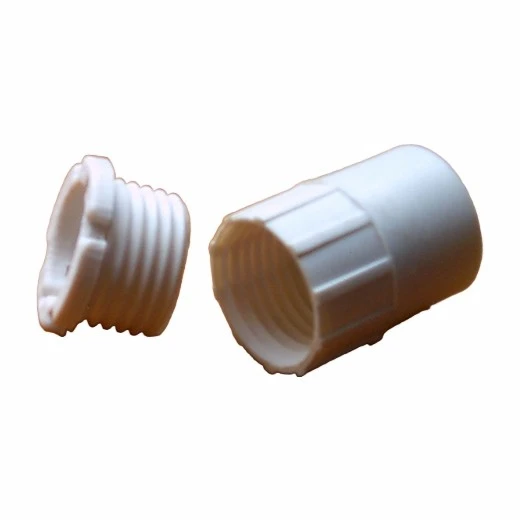
- Plastic Pipe Fittings: Plastic pipe fittings are also common and come in different types, such as Plastic HDPE Manhole, PPR Pipe Fittings, and PE RT Pipe Fittings. Recycling plastic pipe fittings requires proper sorting and processing to ensure the quality of the recycled material.
- Composite Pipe Fittings: Composite pipe fittings combine different materials, such as plastic and metal. Recycling these fittings can be more complex as the materials need to be separated before recycling.
Assessing the Condition of Old Pipe Fittings
The first step in recycling old pipe fittings is to assess their condition. Some fittings may be in good enough condition to be reused directly, while others may need to be recycled. Here are some factors to consider when assessing the condition of pipe fittings:
- Damage: Check for any signs of damage, such as cracks, leaks, or corrosion. Severely damaged fittings may not be suitable for reuse and should be recycled.
- Wear and Tear: Over time, pipe fittings can experience wear and tear. If the fitting is still functional but shows signs of wear, it may be possible to refurbish it for reuse.
- Compatibility: Ensure that the fitting is compatible with the intended application. If the fitting is no longer suitable for its original purpose, it may need to be recycled.
Reusing Old Pipe Fittings
Reusing old pipe fittings is the most environmentally friendly option as it reduces the demand for new materials. Here are some ways to reuse old pipe fittings:
- Refurbishment: If the fitting is in good condition but shows signs of wear, it can be refurbished. This may involve cleaning, repairing, or repainting the fitting to make it suitable for reuse.
- Salvage for Parts: Some fittings may have parts that can be salvaged and used in other applications. For example, a valve from an old fitting can be removed and used in a new installation.
- DIY Projects: Old pipe fittings can be used in various DIY projects, such as creating furniture, garden structures, or decorative items. This not only gives the fittings a new life but also adds a unique touch to your projects.
Recycling Old Pipe Fittings
When reusing is not an option, recycling old pipe fittings is the next best thing. Here are the steps involved in recycling pipe fittings:
- Sorting: Sort the pipe fittings by material type. This makes it easier to recycle them effectively as different materials require different recycling processes.
- Cleaning: Before recycling, the fittings need to be cleaned to remove any dirt, debris, or contaminants. This ensures the quality of the recycled material.
- Processing: The sorted and cleaned fittings are then processed through various recycling methods. For metal fittings, this may involve melting them down and reforming them into new products. For plastic fittings, they may be shredded and melted to produce new plastic products.
- Recycling Facilities: Take the processed pipe fittings to a recycling facility that specializes in handling the specific type of material. These facilities have the necessary equipment and expertise to recycle the fittings efficiently.
Finding Recycling Facilities
Finding a suitable recycling facility is essential for proper recycling of old pipe fittings. Here are some ways to find recycling facilities:
- Local Recycling Centers: Check with your local recycling center to see if they accept pipe fittings. They may have specific requirements or guidelines for recycling different types of materials.
- Manufacturer Take-Back Programs: Some pipe fitting manufacturers offer take-back programs where they accept old fittings for recycling. Contact the manufacturer of the fittings to see if they have such a program.
- Online Directories: There are online directories that list recycling facilities in your area. These directories can help you find a facility that accepts the type of pipe fittings you have.
Benefits of Recycling Old Pipe Fittings
Recycling old pipe fittings offers several benefits, both for the environment and the economy. Here are some of the key benefits:
- Environmental Conservation: Recycling reduces the demand for new materials, which helps conserve natural resources and reduce energy consumption. It also reduces the amount of waste sent to landfills, which helps in waste management.
- Energy Savings: Recycling pipe fittings requires less energy compared to producing new ones from raw materials. This helps in reducing greenhouse gas emissions and mitigating climate change.
- Economic Benefits: Recycling creates jobs in the recycling and manufacturing industries. It also reduces the cost of production for manufacturers as they can use recycled materials instead of virgin materials.
Conclusion
Properly recycling old pipe fittings is essential for environmental conservation and resource management. As a pipe fittings supplier, I encourage everyone to consider reusing or recycling their old fittings instead of discarding them. By following the steps outlined in this blog, you can ensure that your old pipe fittings are recycled in an environmentally friendly and efficient manner.
If you're interested in purchasing high-quality pipe fittings or have any questions about recycling, please feel free to contact us for a consultation. We're here to help you find the best solutions for your piping needs.
References
- "Recycling of Plastics: A Review." Journal of Polymers and the Environment.
- "Metals Recycling: An Overview." Resources, Conservation and Recycling.
- "Sustainable Construction: Recycling and Reuse of Building Materials." Building and Environment.