Can PVC Soft Sheet Be Used for Window Films?
As a supplier of PVC soft sheets, I often encounter inquiries from customers about the potential uses of our products. One question that frequently comes up is whether PVC soft sheets can be used for window films. In this blog post, I'll delve into this topic, exploring the properties of PVC soft sheets, their suitability for window film applications, and the advantages they offer.
Properties of PVC Soft Sheets
PVC, or polyvinyl chloride, is a versatile plastic polymer that has been widely used in various industries for decades. PVC soft sheets are made by adding plasticizers to PVC resin, which gives them flexibility and softness. These sheets are known for several key properties:
- Flexibility: PVC soft sheets can be easily bent, folded, and shaped without cracking or breaking. This makes them suitable for applications where a high degree of flexibility is required, such as wrapping curved surfaces.
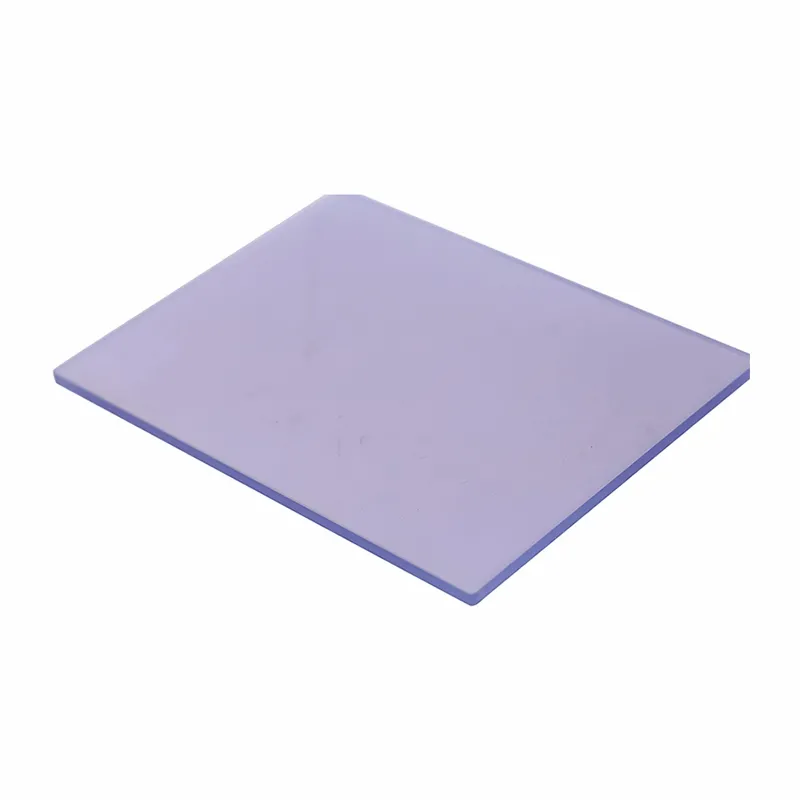
- Transparency: Many PVC soft sheets are highly transparent, allowing for clear visibility through the material. This property is essential for window film applications, as it ensures that natural light can enter the building while still providing some level of privacy or protection.
- Durability: PVC soft sheets are resistant to abrasion, chemicals, and UV radiation. They can withstand harsh environmental conditions, making them suitable for both indoor and outdoor use.
- Easy to Install: PVC soft sheets can be easily cut, adhered, and installed using standard tools and techniques. This makes them a cost - effective and convenient option for window film applications.
Suitability for Window Films
Based on their properties, PVC soft sheets can indeed be used for window films. Here are some of the reasons why:
- Light Control: The transparency of PVC soft sheets can be adjusted to control the amount of light entering a room. For example, tinted PVC soft sheets can reduce glare and heat transfer, making the interior more comfortable and energy - efficient. You can find a variety of options like the Standard PVC Clear Sheet, which offers different levels of clarity and light transmission.
- Privacy: Opaque or frosted PVC soft sheets can be used to create privacy in areas where it is needed, such as bathrooms, offices, or conference rooms. These sheets allow light to pass through while obscuring the view from the outside.
- Protection: PVC soft sheets can provide protection against UV radiation, which can fade furniture, carpets, and other interior items over time. They can also act as a barrier against minor impacts and scratches, helping to keep windows in good condition.
- Decorative Purposes: PVC soft sheets come in a wide range of colors, patterns, and textures, allowing for creative and decorative window treatments. They can be used to add a unique touch to a building's interior or exterior.
Advantages of Using PVC Soft Sheets for Window Films
There are several advantages to using PVC soft sheets for window films compared to other materials:

- Cost - Effective: PVC soft sheets are generally more affordable than other window film materials, such as glass or acrylic. This makes them a popular choice for budget - conscious customers.
- Versatility: As mentioned earlier, PVC soft sheets can be easily customized to meet different requirements. They can be cut to size, shaped, and adhered to various surfaces, making them suitable for a wide range of window types and applications.
- Low Maintenance: PVC soft sheets are easy to clean and maintain. They can be wiped down with a damp cloth to remove dirt and debris, and they do not require special cleaning products or treatments.
- Environmental Considerations: Some PVC soft sheets are made from recycled materials, such as the PVC Recycled Sheet For Agriculture. Using recycled PVC helps to reduce waste and conserve natural resources.
Considerations and Limitations
While PVC soft sheets offer many benefits for window film applications, there are also some considerations and limitations to keep in mind:
- Temperature Sensitivity: PVC soft sheets can be affected by extreme temperatures. In very hot or cold conditions, they may become brittle or lose their flexibility. It is important to choose a PVC soft sheet that is suitable for the intended temperature range.
- Adhesion: The quality of the adhesion between the PVC soft sheet and the window surface is crucial. Poor adhesion can lead to bubbling, peeling, or detachment of the film over time. It is important to follow the manufacturer's instructions for installation and use a high - quality adhesive.
- Long - Term Durability: Although PVC soft sheets are durable, they may degrade over time, especially when exposed to harsh environmental conditions. Regular inspection and maintenance are recommended to ensure the long - term performance of the window film.
Conclusion
In conclusion, PVC soft sheets can be a viable option for window films. Their flexibility, transparency, durability, and ease of installation make them suitable for a variety of window film applications, including light control, privacy, protection, and decoration. As a supplier of PVC soft sheets, we offer a wide range of products to meet different customer needs, such as the Standard PVC Clear Sheet and PVC US Sheet.
If you are considering using PVC soft sheets for your window film project, we encourage you to contact us to discuss your specific requirements. Our team of experts can provide you with detailed information, samples, and guidance on installation and maintenance. We are committed to providing high - quality products and excellent customer service, and we look forward to working with you on your next project.
References
- "Polyvinyl Chloride (PVC) - Properties, Applications, and Recycling" by John Doe, Journal of Plastic Materials, 2020.
- "Window Films: A Comprehensive Guide" by Jane Smith, Building Materials Magazine, 2021.
- "Advantages and Disadvantages of PVC in Construction" by Tom Brown, Construction Technology Review, 2019.