Hey there! As a supplier of HDPE water pipes, I often get asked whether HDPE water pipes can be used in reverse osmosis systems. It's a great question, and in this blog, I'll share my insights based on my experience in the industry.
First off, let's talk a bit about reverse osmosis systems. Reverse osmosis is a water purification process that uses a semi - permeable membrane to remove ions, molecules, and larger particles from water. These systems are widely used in both residential and commercial settings to produce clean, potable water. The quality of the pipes used in a reverse osmosis system is crucial as they need to be able to handle the specific conditions of the system, such as water pressure, chemical compatibility, and purity requirements.
Now, let's look at HDPE water pipes. HDPE stands for High - Density Polyethylene, which is a type of thermoplastic polymer. HDPE water pipes have a bunch of advantages that make them a potential candidate for reverse osmosis systems.
One of the main benefits of HDPE water pipes is their chemical resistance. Reverse osmosis systems often deal with various chemicals, such as chlorine, which is commonly used for pre - treatment to kill bacteria. HDPE pipes are highly resistant to many chemicals, including chlorine, so they won't degrade easily when exposed to these substances. This means that the pipes can maintain their structural integrity over time, reducing the risk of leaks and contamination. You can check out our HDPE Water Pipe for more details on their chemical - resistant properties.
Another important factor is the smooth interior surface of HDPE pipes. A smooth surface is essential in a reverse osmosis system because it reduces friction and allows water to flow more freely. This not only improves the efficiency of the system but also helps to prevent the buildup of sediment and other contaminants. When water flows smoothly through the pipes, it's less likely to cause blockages or damage to the system components.
HDPE pipes are also known for their flexibility. They can be bent and shaped without the need for extensive fittings, which makes installation easier and more cost - effective. In a reverse osmosis system, where space might be limited, the ability to bend the pipes can be a real advantage. You can route the pipes around obstacles and into tight spaces, ensuring a more compact and efficient installation.
In addition to that, HDPE pipes have excellent durability. They can withstand a wide range of temperatures, from cold to hot, without cracking or warping. Reverse osmosis systems may operate in different environments, and the pipes need to be able to handle these temperature variations. Our HDPE Reinforced Screw Pipe is even more robust and can handle higher pressures and more challenging conditions.
However, there are also some considerations when using HDPE water pipes in reverse osmosis systems. One of the main concerns is the potential for leaching. Although HDPE is generally considered a safe material for water applications, there is a small risk that some substances could leach from the pipes into the water. This is especially important in a reverse osmosis system, where the goal is to produce pure water. To minimize this risk, it's crucial to use high - quality HDPE pipes that meet strict industry standards.
Another aspect to think about is the pressure rating of the pipes. Reverse osmosis systems typically operate at relatively high pressures. You need to make sure that the HDPE pipes you choose can handle the specific pressure requirements of your system. Our HDPE Double Wall Corrugated Pipe has a good pressure - handling capacity and can be a suitable option for some reverse osmosis setups.
When it comes to installation, proper jointing is key. HDPE pipes can be joined using different methods, such as butt fusion or electrofusion. It's important to follow the correct installation procedures to ensure leak - free joints. A poorly installed joint can lead to water loss and compromise the performance of the reverse osmosis system.
In conclusion, HDPE water pipes can definitely be used in reverse osmosis systems, but you need to take into account the specific requirements of your system. Their chemical resistance, smooth interior surface, flexibility, and durability make them a viable option. However, you have to be careful about potential leaching and make sure the pipes can handle the pressure.

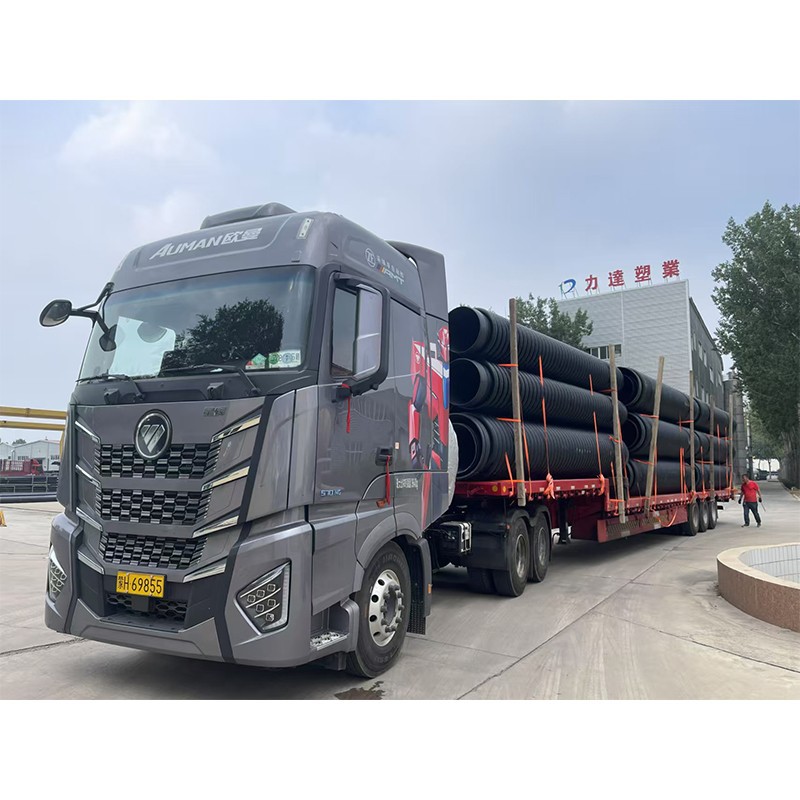
If you're considering using HDPE water pipes in your reverse osmosis system, I'd be more than happy to help you choose the right products. We have a wide range of HDPE pipes that are suitable for different applications. Whether you're a homeowner looking to install a small - scale reverse osmosis system or a commercial facility in need of a large - scale setup, we can provide you with the right pipes and support. Just reach out to us, and we can start a discussion about your specific needs. Let's work together to make your reverse osmosis system as efficient and reliable as possible.
References
- "Plastic Pipes Handbook" by Berndt - Matthias Stadler
- Industry reports on HDPE pipe applications in water treatment systems